A machine that can write a story, paint a picture, or even compose a song in seconds. But even with all its power, sometimes a question that comes to mind is what generative AI can’t do? There is one major thing this system cannot do well: it cannot truly understand context, meaning, and deeply original ideas like human beings do.
In this article, we’ll explore some big limitations of generative AI. Moreover, compare human creativity with AI, and examine why AI’s contextual understanding challenges remain a key barrier.
Limitations of Generative AI
Generative AI is built by feeding it a huge set of data. That is why, one big limitation is that it can only react according to input data. When you ask it to go beyond its training or to understand a brand-new situation, it struggles.
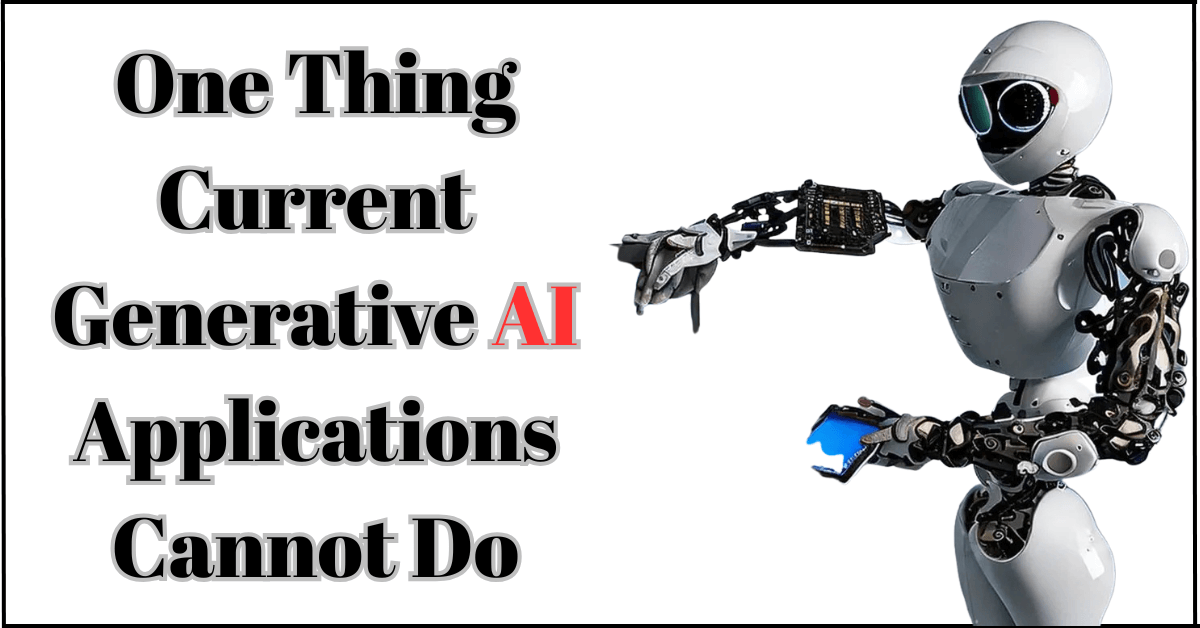
Another limitation of this system is that it often produces answers that seem correct but are actually wrong. They also may rely on outdated or biased data. This makes this machine less useful or fair in some cases.
With some of these limitations, generative AI is very good at some things (like composing music or creating a simple image). But not yet good at everything, especially when real meaning and human-level understanding are needed.
Human Creativity vs AI
This table will show that generative AI is not equal to human creativity:
Aspect | Human Creativity | AI Creativity |
Source of Ideas | Through human emotions, imagination, and life experiences. | Patterns and data it has been trained on. |
Originality | Creates new and unique ideas. | Recreates or mixes existing ideas from past data. |
Emotion & Intuition | Driven by feelings, intuition, and inspiration. | Lacks emotions or intuitions |
Adaptability | Can adjust ideas to new situations easily. | Struggles when the situation is unfamiliar. |
Decision-Making | Consider moral, cultural, and emotional values. | Follows programmed rules without moral judgment. |
Examples | Writing a heartfelt story, painting, or inventing. | Generating art or text based on existing styles or prompts. |
In short, humans create with emotions and imagination, while AI creates with data and logic. Generative AI can help humans by giving ideas or speeding up tasks. But it cannot truly feel, imagine, or make emotional choices like humans do.
AI Contextual Understanding Challenges
Generative AI faces several challenges when it comes to understanding real-world context. Below are some key points explained in simple terms:
1. Difficulty Understanding Context
Each context has background information that gives meaning to words or actions. AI often misses this because it focuses only on data patterns, not on human feelings or situations.
2. Trouble with Humor and Sarcasm
Humans easily understand jokes, sarcasm, and tone from how someone speaks or writes. AI can not understand the words and fails to get the hidden meaning or humor behind them.
3. Missing Cultural Knowledge
Local culture affects how people talk, joke, and express emotions. AI doesn’t grow up in a culture. It only reads about it, so it may not capture small but important cultural details.
4. The Main Challenge
Generative AI can copy and combine information well. But it struggles to understand what those words mean in real-life situations. True understanding requires human empathy, experience, and cultural awareness. These are the things AI still lacks.
Real-Life Example of What AI Can’t Do
A news organization used generative AI to write a feature about small family farms. The AI produced an article, but when local farmers read it, they said it used the wrong terms. This does not reflect their experience, and missed the emotional sense of what family farming meant in that region.
At the same time, a human journalist would have visited the farm, felt the soil, heard the stories from local people, and captured that. And write a real-world article filled with emotions and stories that AI can’t.
This example shows that while generative AI can create something that is understandable and looks good. But it may miss deeper context, emotion, and meaning. This means that generative AI applications cannot fully take over in every situation.
Why Knowing AI’s Limits Matters
Knowing what generative AI cannot do is important for several reasons.
- It helps us use AI wisely: knowing its strengths and limits means we ask the right questions and avoid over-relying on it.
- It keeps the human element alive: when tasks need deep thought, culture, emotion, or meaning, humans can do best.
- It reminds us that AI is a tool, not a replacement: where creativity, ethics, and understanding matter most, humans still lead.
What the Future Might Bring
Researchers are working on improving generative AI. Therefore, it understands more context, becomes fresher with data, and adapts better to new situations. But even so, there’s still a long way to go. The dream is an AI that can truly get humans, such as their jokes, their personal stories, and their unique culture. Until then, generative AI will be best when it works with humans instead of trying to replace them.
FAQs
Can generative AI truly understand context like humans?
No, AI cannot fully understand context like humans. It analyzes data and patterns and provides results accordingly, and doesn’t feel emotions or experiences. So it often misses tone, sarcasm, or deeper meaning behind words.
Why can’t AI make emotional or moral judgments?
AI lacks feelings and a conscience, so it cannot make emotional or moral choices. It follows data and rules, not empathy or values, which humans use to decide right and wrong.
Can generative AI replace human creativity?
No, AI cannot replace human creativity. It can only copy patterns from existing data. Humans create new ideas inspired by emotions, imagination, and personal experiences. AI just helps humans to make things better and work faster and more effectively.
Conclusion
So, what is one thing current generative AI applications cannot do? They cannot fully understand context, stories, meaning, and human-level creativity in the way humans do. It also lacks true understanding, common sense, transparency, bias, and emotional intelligence. Because of these limitations, we can see that although generative AI is powerful, it is not perfect. So need to remember, we can use AI as an amazing helper for ideas, drafts, and tools. While still keeping humans in the driver’s seat for truly meaningful and creative work.
REFERENCES:
https://www.igi-global.com/chapter/generative-ai/354604
https://heinonline.org/HOL/LandingPagehandle=hein.journals/brownjwa30&div=19&id=&pag=