Imagine your fridge knows when to cool less, or your washing machine saves electricity. This is all by the power of AI in energy-efficient appliances. Today, technology is getting smarter, faster, fancier, or greener, too. Artificial Intelligence (AI) helps us use less energy, save money, and protect the planet simultaneously. But how does it actually work? Can AI-powered smart appliances really make our homes more eco-friendly?
This article will examine how AI is transforming the way we live and contributing to the development of a cleaner, energy-smart future.
What Are AI-Powered Smart Appliances?
AI-powered smart appliances are being used every day, including fridges, washers, and air-conditioners that use AI to work smartly. Now their task is not only on and off, but they learn what to do, when to do, and how to do, and adjust themselves to save energy and work smartly.
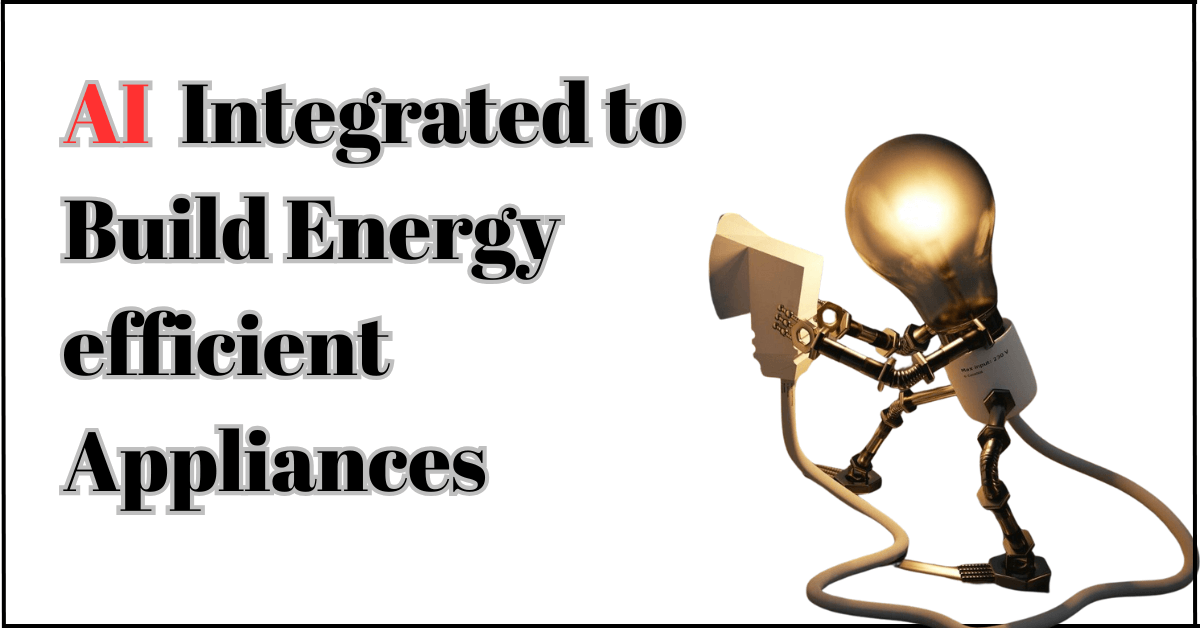
Why Use Energy Optimization Using AI?
Energy optimization using AI involves making appliances enable to use only the energy they need and no more. With the help of AI, an appliance can predict when it will be used, understand when no need to use, or when no one is home. Moreover, they cooperate with solar panels to make smart choices and save energy. This helps us use less power, save money, and protect the planet.
AI in Sustainable Technology: How the Integration Works
How manufacturers and engineers integrate AI into appliances to make them greener and smarter. Let’s take a look!
Learning Usage Patterns
The appliance watches when you run it and what settings you choose. After some time, it knows your habits and can run better when electricity is cheaper.
Smart Scheduling & Load Balancing
AI can delay a washing cycle until off-peak hours. Additionally, lower the power of a dryer when many appliances run at once. This keeps the electrical load stable and reduces wastage.
Sensor & Environment Awareness
Many smart appliances use sensors (for temperature, motion, and humidity) to know when to run or pause. For example, a fridge can lower its cooling when the room is cooler and no one opens it. It helps to reduce energy.
Connection with Renewable Energy
If you have solar panels, an AI appliance, wait for daylight when solar energy is at its peak, and run heavy tasks then. This uses clean energy and decreases electricity from the grid.
Real-Life Example: Smart Fridge That “Thinks”
Suppose a smart fridge in a house with a family leaves home for school and work in the morning. The fridge knows that between 8 am to 5 pm, no one is at home, so it will lower the cooling slightly to use less power. When someone returns, it quickly cools the food again so it’s fresh and safe. In this way, the family uses less electricity without losing comfort.
What to Look for in Smart Appliances with AI Features
When choosing an AI smart feature’s appliance, here are some things you need to consider:
- It has a learning mode that helps the machine study your habits and improve over time.
- It uses automation for tasks such as delaying during off-peak hours or switching modes based on the electricity price.
- It shows you energy usage and gives tips on how to reduce it.
- It can integrate with smart home systems or renewable energy sources, so all devices work together.
Benefits and Challenges
Benefits:
- Saves Money: Less energy waste means lower electricity bills.
- Helps the Planet: Using less power means fewer emissions and reduces carbon footprints.
- More Convenience: Appliances adjust themselves, rather than you always having to make settings.
Challenges:
- Needs Good Data: AI only works well when it has enough use data and correct sensors.
- Complexity & Cost: Smart appliances can cost more or require internet/updates.
- Privacy & Security: Devices that learn about you can create privacy issues.
- Compatibility: If you have older appliances, the smart system may not integrate well.
Why This Matters for the Future
Today’s homes and buildings consume a significant amount of energy for routine tasks such as heating, cooling, lighting, and operating appliances. AI in sustainable technology helps you to cut down this use significantly by making smart choices automatically. With various studies and current product offerings showing savings ranging from approximately 14% to over 70% for specific appliances and systems, without sacrificing comfort.
As the world becomes greener and generates less waste, integrating AI into everyday appliances helps us move toward a safer, cleaner, and more sustainable future.
What You Can Do at Home
- Choose appliances that have “AI energy mode” or “smart mode” features.
- Use their mobile app to check how much energy your device uses and change settings if needed.
- Set your heavy-use appliances (washers, dryers) to run when electricity is cheaper or when solar power is available.
- Make sure your Wi-Fi and software are up-to-date to let your appliance work smartly.
- Encourage your family to use energy smartly and help them set up the AI features.
FAQs
1. How does AI optimize energy usage in home appliances?
AI learns your habits and adjusts appliance settings to save power. For example, it runs machines during off-peak hours and lowers energy use when you’re not home.
2. Can AI reduce electricity consumption in smart devices?
Yes, AI reduces electricity use by turning off idle devices, managing power wisely, and suggesting energy-saving actions. This approach helps cut electricity bills and waste.
3. What industries are adopting AI for energy efficiency?
Industries like manufacturing, construction, transport, and agriculture use AI to manage power. It helps to reduce waste and build smarter, energy-efficient systems and appliances.
Conclusion:
Integrating AI into appliances means they don’t just do a job; they think a little about how to do it best. When AI is used in smart appliances and energy-saving systems, it helps create homes that use less power and are better for the environment. The future is one where our machines help us save energy without extra effort. By learning and choosing wisely now, we all benefit our wallets, our comfort, and our planet.
REFERENCES:
https://www.sciencedirect.com/science/article/abs/pii/S0378778819316688